-
 Atletico recover Liga momentum with battling win over Valencia
-
Meillard leads 'perfect' Swiss sweep in Val d'Isere giant slalom

-
 Salah on Liverpool bench for Brighton match
-
Meillard leads Swiss sweep in Val d'Isere giant slalom

-
 Indonesia flood death toll passes 1,000 as authorities ramp up aid
-
First urban cable car unveiled outside Paris

-
 Vonn second behind Aicher in World Cup downhill at St Moritz
-
Aicher pips Vonn to downhill win at St Moritz

-
 Thailand says 4 soldiers killed in Cambodia conflict, denies Trump truce claim
-
Fans vandalise India stadium after Messi's abrupt exit

-
 Women sommeliers are cracking male-dominated wine world open
-
Exhibition of Franco-Chinese print master Zao Wou-Ki opens in Hong Kong

-
 Myanmar junta denies killing civilians in hospital strike
-
Why SpaceX IPO plan is generating so much buzz

-
 Thailand continues Cambodia strikes despite Trump truce calls
-
US envoy to meet Zelensky, Europe leaders in Berlin this weekend

-
 North Korea acknowledges its troops cleared mines for Russia
-
US unseals warrant for tanker seized off Venezuelan coast

-
 Cambodia says Thailand still bombing hours after Trump truce call
-
Machado urges pressure so Maduro understands 'he has to go'

-
 Leinster stutter before beating Leicester in Champions Cup
-
Crypto firm Tether bids for Juventus, is quickly rebuffed

-
 Union sink second-placed Leipzig to climb in Bundesliga
-
US Treasury lifts sanctions on Brazil Supreme Court justice

-
 UK king shares 'good news' that cancer treatment will be reduced in 2026
-
Wembanyama expected to return for Spurs in NBA Cup clash with Thunder

-
 Five takeaways from Luigi Mangione evidence hearings
-
UK's king shares 'good news' that cancer treatment will be reduced in 2026

-
 Steelers' Watt undergoes surgery to repair collapsed lung
-
Iran detains Nobel-prize winner in 'brutal' arrest

-
 NBA Cup goes from 'outside the box' idea to smash hit
-
Can Venezuela survive US targeting its oil tankers?

-
 Democrats release new cache of Epstein photos
-
Colombia's ELN guerrillas place communities in lockdown citing Trump 'intervention' threats

-
 'Don't use them': Tanning beds triple skin cancer risk, study finds
-
Nancy aims to restore Celtic faith with Scottish League Cup final win

-
 Argentina fly-half Albornoz signs for Toulon until 2030
-
Trump says Thailand, Cambodia have agreed to stop border clashes

-
 Salah in Liverpool squad for Brighton after Slot talks - reports
-
Marseille coach tips Greenwood as 'potential Ballon d'Or'

-
 Draw marks 'starting gun' toward 2026 World Cup, Vancouver says
-
Thai PM says asked Trump to press Cambodia on border truce

-
 Salah admired from afar in his Egypt home village as club tensions swirl
-
Brazil left calls protests over bid to cut Bolsonaro jail time

-
 Trump attack on Europe migration 'disaster' masks toughening policies
-
US plan sees Ukraine joining EU in 2027, official tells AFP

-
 'Chilling effect': Israel reforms raise press freedom fears
-
Iran frees child bride sentenced to death over husband's killing: activists

-
 No doubting Man City boss Guardiola's passion says Toure
-
Youthful La Rochelle name teen captain for Champions Cup match in South Africa

NYSE - LSE
China, Trump, and the power of war?
As tensions in the Taiwan Strait continue to simmer, foreign policy experts are exploring a hypothetical scenario: If China were to launch a military attack on Taiwan, would a newly re-elected President Donald Trump intervene with the full might of the U.S. armed forces to defend the island? This question underscores the complex interplay of regional alliances, global power dynamics, and the unpredictability of American politics.
Setting the Stage: China’s Military Ambitions
Historical Context:
China regards Taiwan as a breakaway province destined for reunification—by force if necessary.
Modern Capabilities:
The People’s Liberation Army (PLA) has accelerated its modernization program, including advancements in naval power, ballistic missiles, and air force technology.
Regional Impact:
An attack on Taiwan could destabilize not only East Asia but also the global economy, given Taiwan’s crucial role in semiconductor manufacturing and maritime trade routes.
The Trump Factor: A New Administration’s Possible Response
Campaign Promises and Rhetoric:
Donald Trump has a record of strong nationalist rhetoric, emphasizing American military strength. If re-elected, he might lean into campaign pledges to protect U.S. interests abroad, including key allies and partners.
Previous Policies on China:
In his earlier administration, Trump took a hardline stance against Beijing on trade, technology, and security. This history suggests he could respond forcefully if China initiates open conflict.
Alliance with Taiwan:
Although the U.S. does not maintain formal diplomatic ties with Taipei, it is bound by the Taiwan Relations Act to provide defensive support. A President Trump might interpret this as a mandate to escalate, including mobilizing U.S. forces.
Potential Military Scenarios
Naval Blockade:
The U.S. Navy could intervene by establishing a defensive perimeter around Taiwan, deterring Chinese amphibious assaults. Warship deployments to the region would send a clear signal of U.S. resolve, but also increase the risk of direct engagement.
Air Superiority Campaign:
If China’s air force attempted to dominate the skies over Taiwan, the U.S. Air Force and Navy’s carrier air wings could provide critical support to Taiwan’s defense. This scenario would significantly escalate hostilities, potentially leading to sustained aerial combat.
Economic and Cyber Warfare:
Rather than committing large numbers of troops, Trump could opt for widespread sanctions on China, coupled with cyber operations to disrupt PLA communication and logistics. This approach would be aggressive yet potentially less risky than a full-scale military confrontation.
Risks and Global Ramifications
Escalation to Major Conflict:
Direct clashes between the U.S. and China could spiral rapidly, raising concerns about nuclear brinkmanship.
Economic Fallout:
Heightened tensions may lead to severe disruptions in global supply chains, especially regarding technology and semiconductor industries.
International Alliances:
A U.S. military response would likely draw in regional allies such as Japan, South Korea, and Australia, with NATO partners possibly offering political or limited logistical support.
Diplomatic Alternatives
Negotiated Settlements: Even in a crisis, there might be space for last-minute talks hosted by neutral countries or facilitated by international bodies like the United Nations. Multinational Coalitions: The U.S. might seek to build coalitions with allies in Europe and Asia to present a united front, pressuring Beijing to halt aggression.
Conclusion: An Uncertain Future
Should China take the drastic step of attacking Taiwan, the question of American intervention under a potential new Trump administration looms large. Historical precedent—along with Trump’s combative stance on foreign policy—suggests a robust response could follow. Yet the costs, both human and economic, would be staggering for all sides involved.
In this hypothetical scenario, much depends on Beijing’s calculations of risk versus reward, as well as Trump’s willingness to gamble on a major conflict to assert U.S. influence and uphold a promise to protect American allies. Ultimately, the future of Taiwan’s sovereignty could hinge on whether deterrence succeeds—or if the world’s two largest economies find themselves at the brink of war.
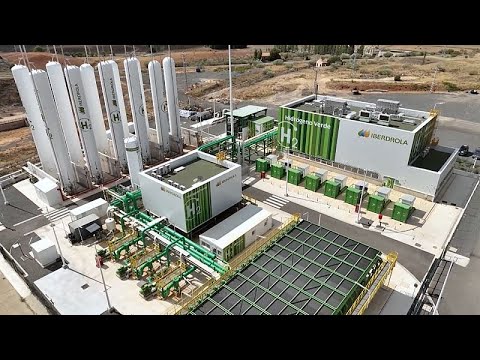
Europe and its "big" goals for clean hydrogen

Putin and the murder of Alexei Navalny (47†)

Measles: UK authorities call for vaccinate children
EU: Von der Leyen withdraws controversial pesticide law

EU: Prison for "paedophilia manuals" and child abuse forgeries

EU: 90% cut of all greenhouse gas emissions by 2040?

How is climate change spreading disease?

Business: Is it important to speak multiple languages?
Trump's return could leave Europe 'on its own'
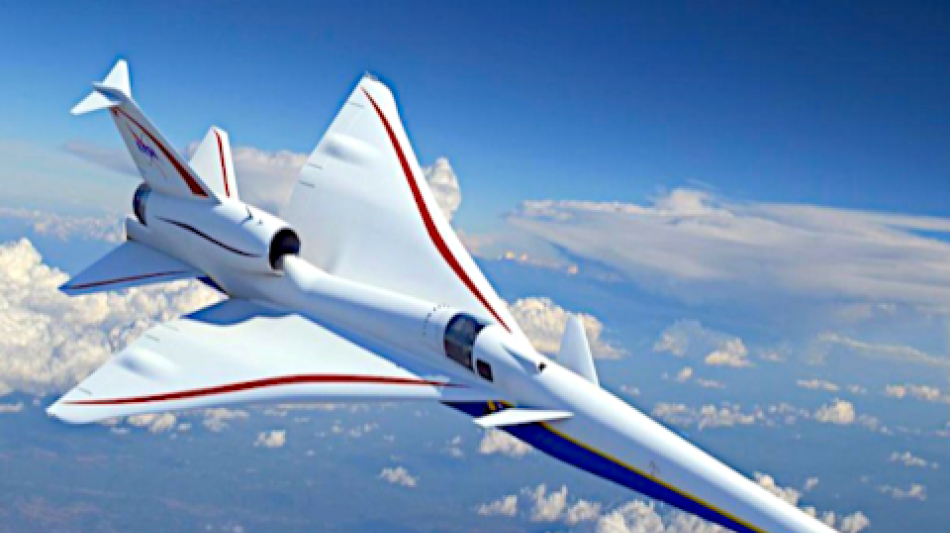
NASA and Lockheed partner present X-59 Quesst
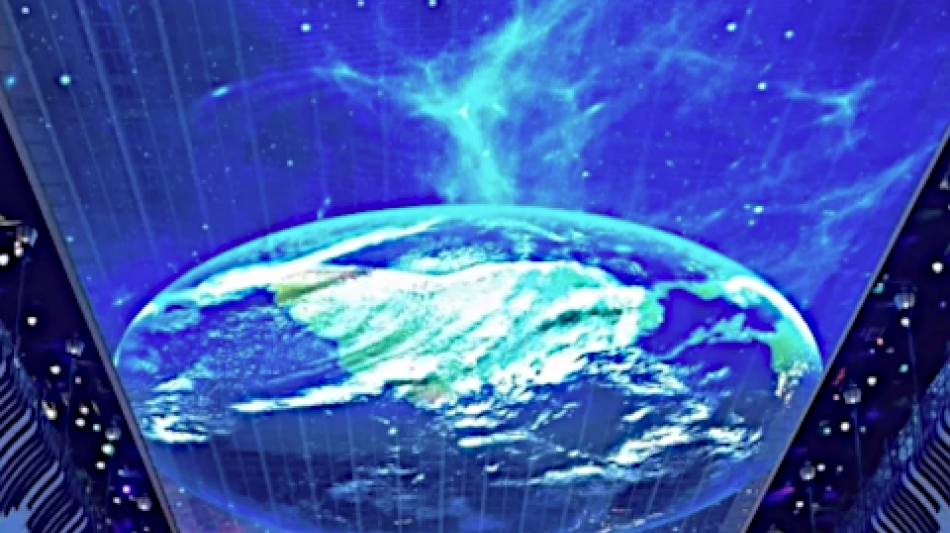
China: Gigantic LED in a shopping centre